
Omuramba, North East Namibia
The Omuramba landscape in northeastern Namibia is one of the few places in the world where indigenous ecological knowledge is still practiced at a landscape scale.
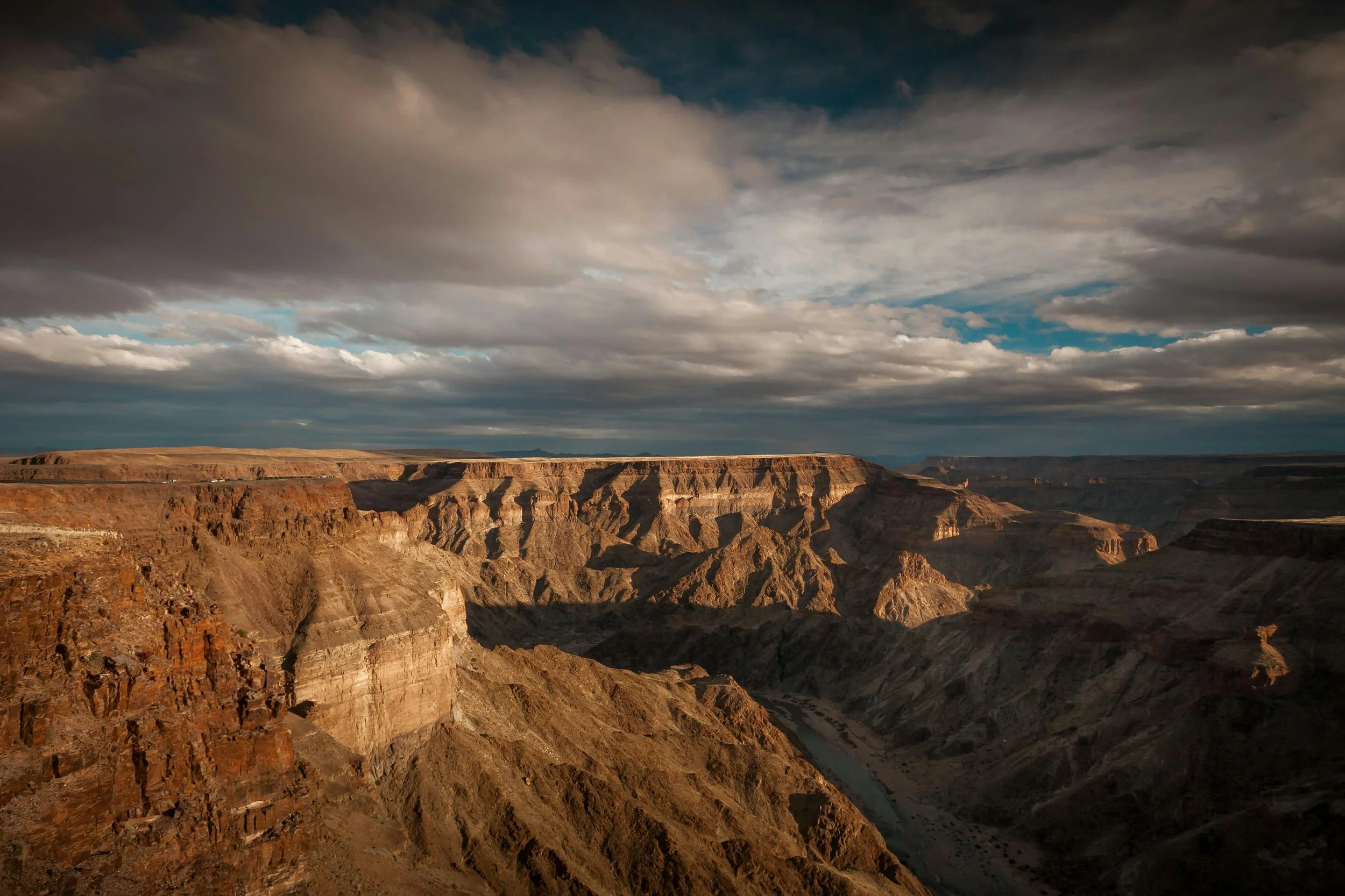
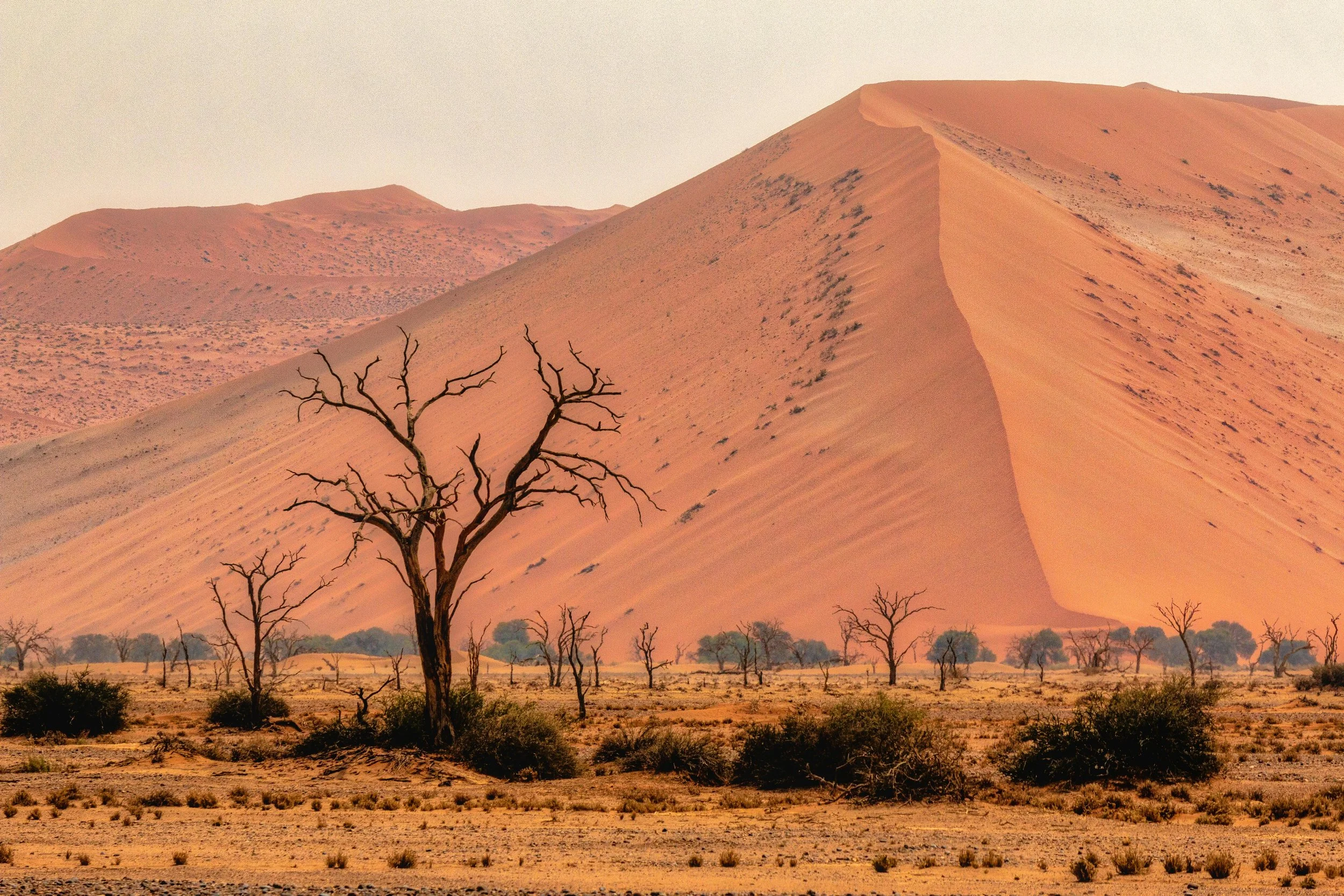
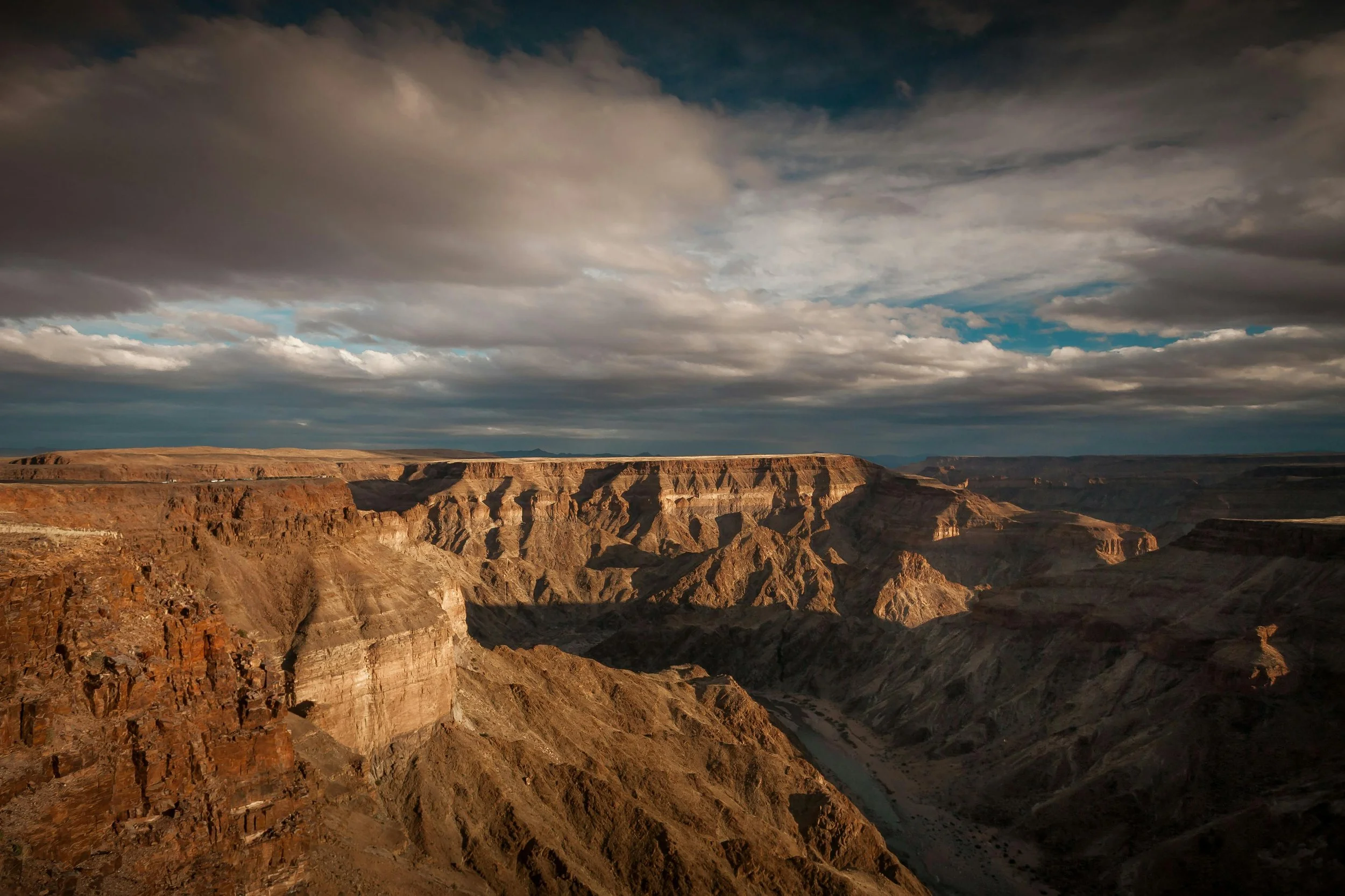
The region’s ecosystems are structured by ancient fossil river systems—known as omurambas—which continue to shape vegetation, wildlife migration, and human movement across the Kalahari. For the Ju/’hoansi San, these river corridors have historically connected families, seasonal resources, and knowledge systems across a vast cultural landscape.
Over recent decades, however, sedentarisation policies, fencing, and external development pressures have restricted mobility and weakened customary governance systems.


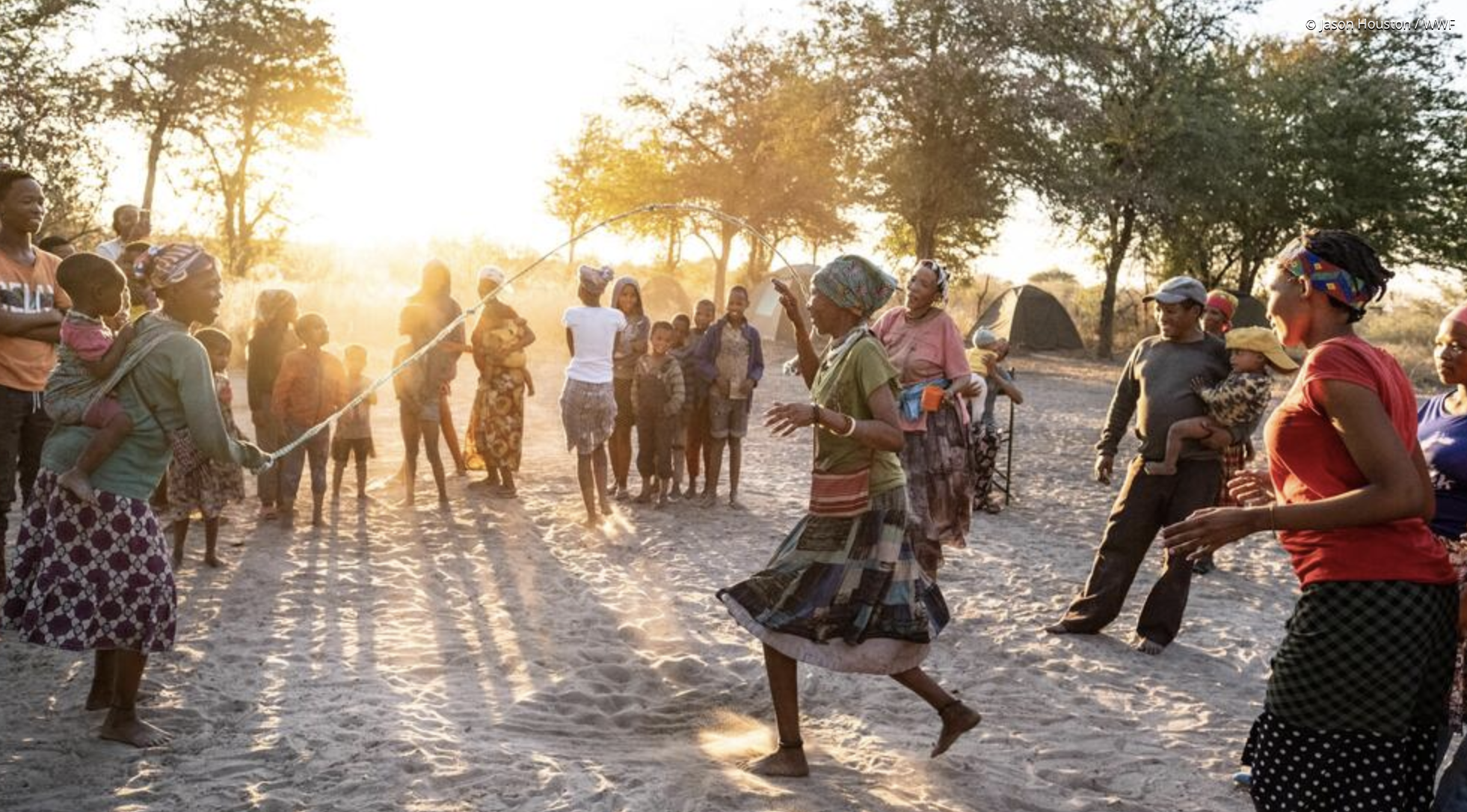
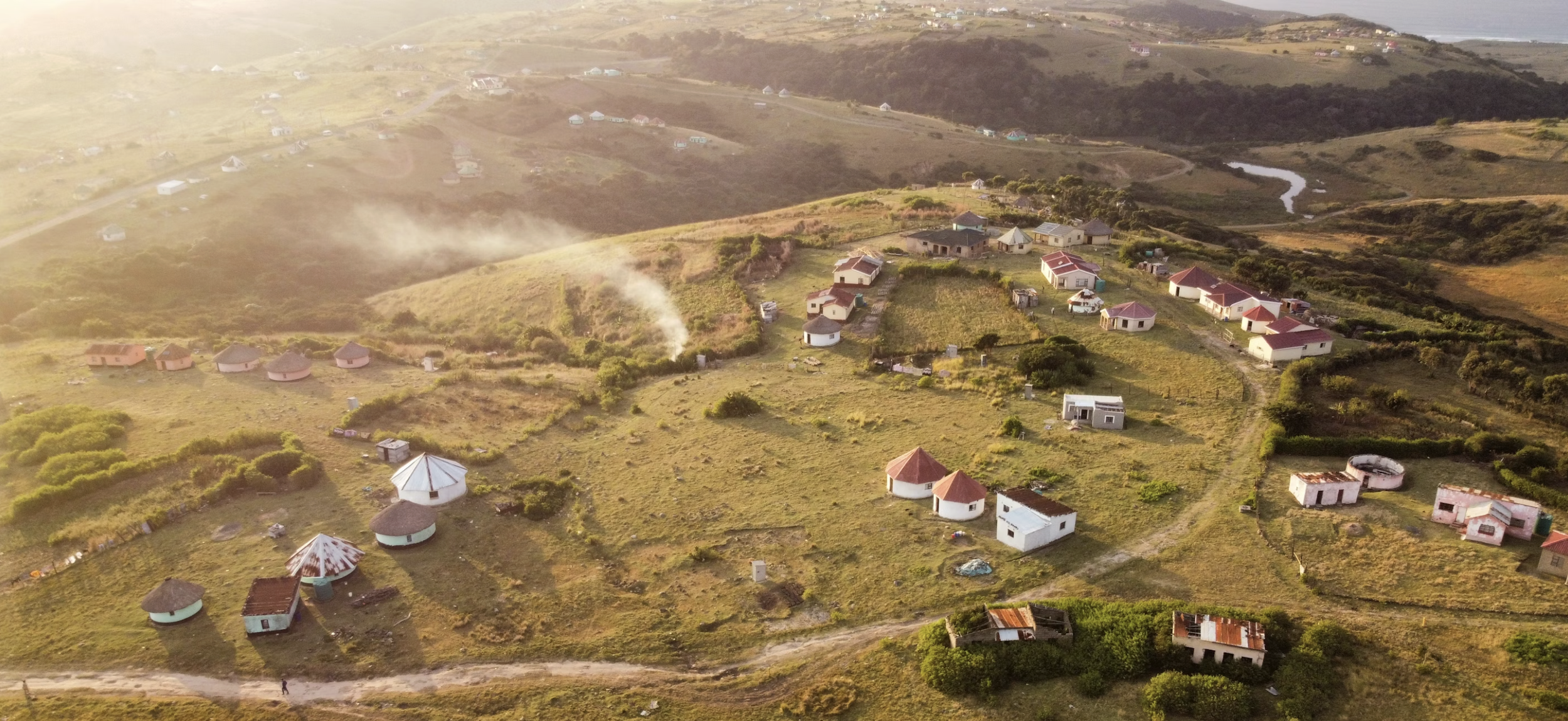
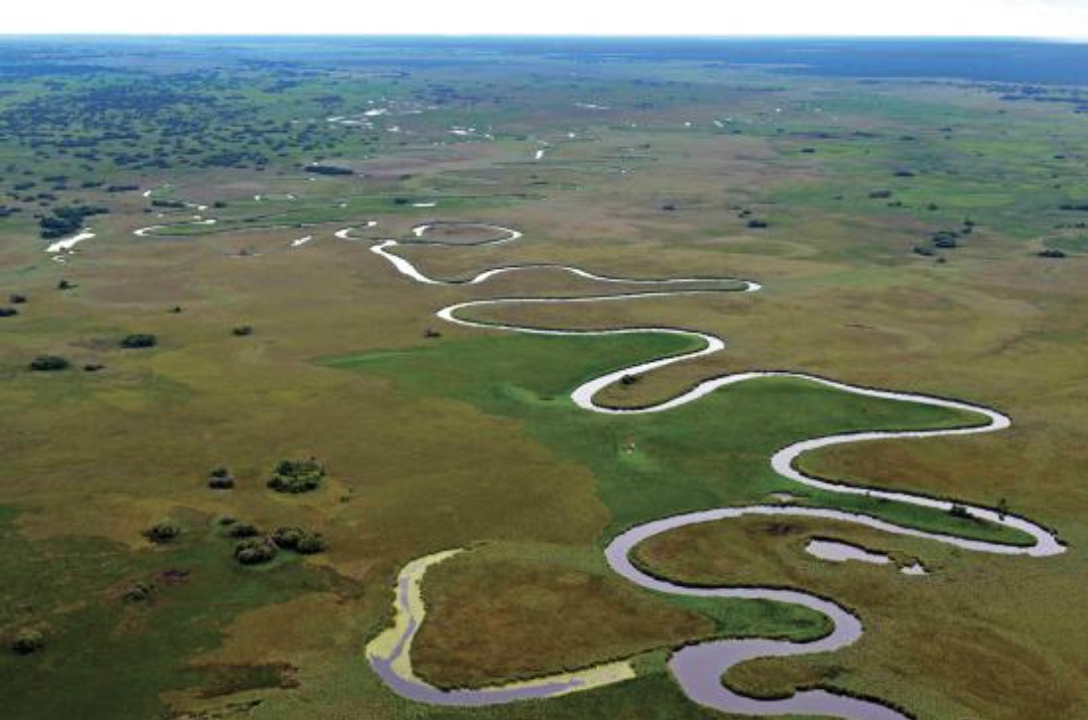
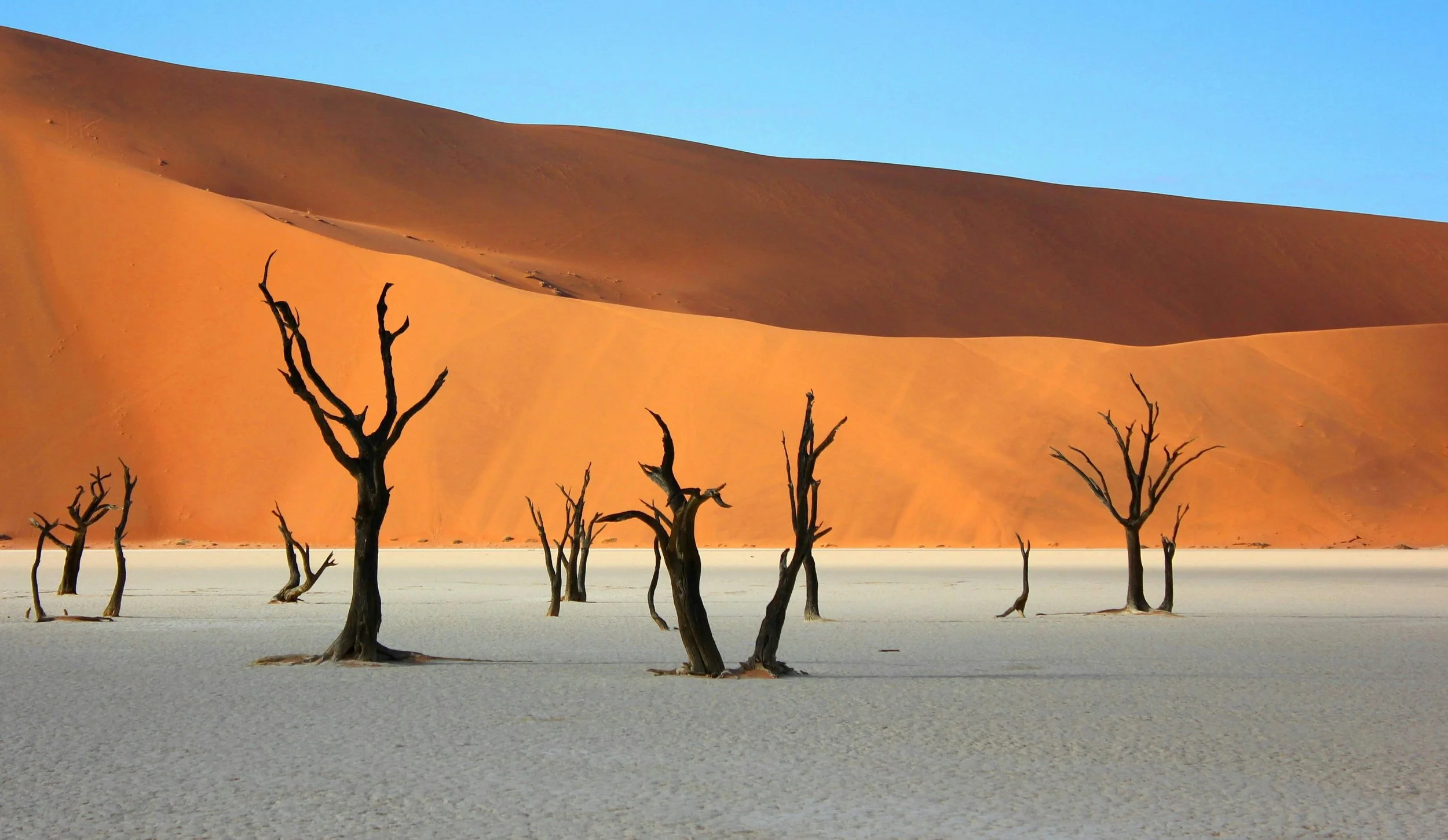
The Omuramba programme works to restore both ecological and cultural flows. By supporting indigenous governance, reviving knowledge transmission through “bush universities,” strengthening legal protection for land rights, and enabling dignified livelihoods rooted in dryland stewardship, the programme seeks to demonstrate a new model of conservation grounded in authority, dignity, and resilience.
